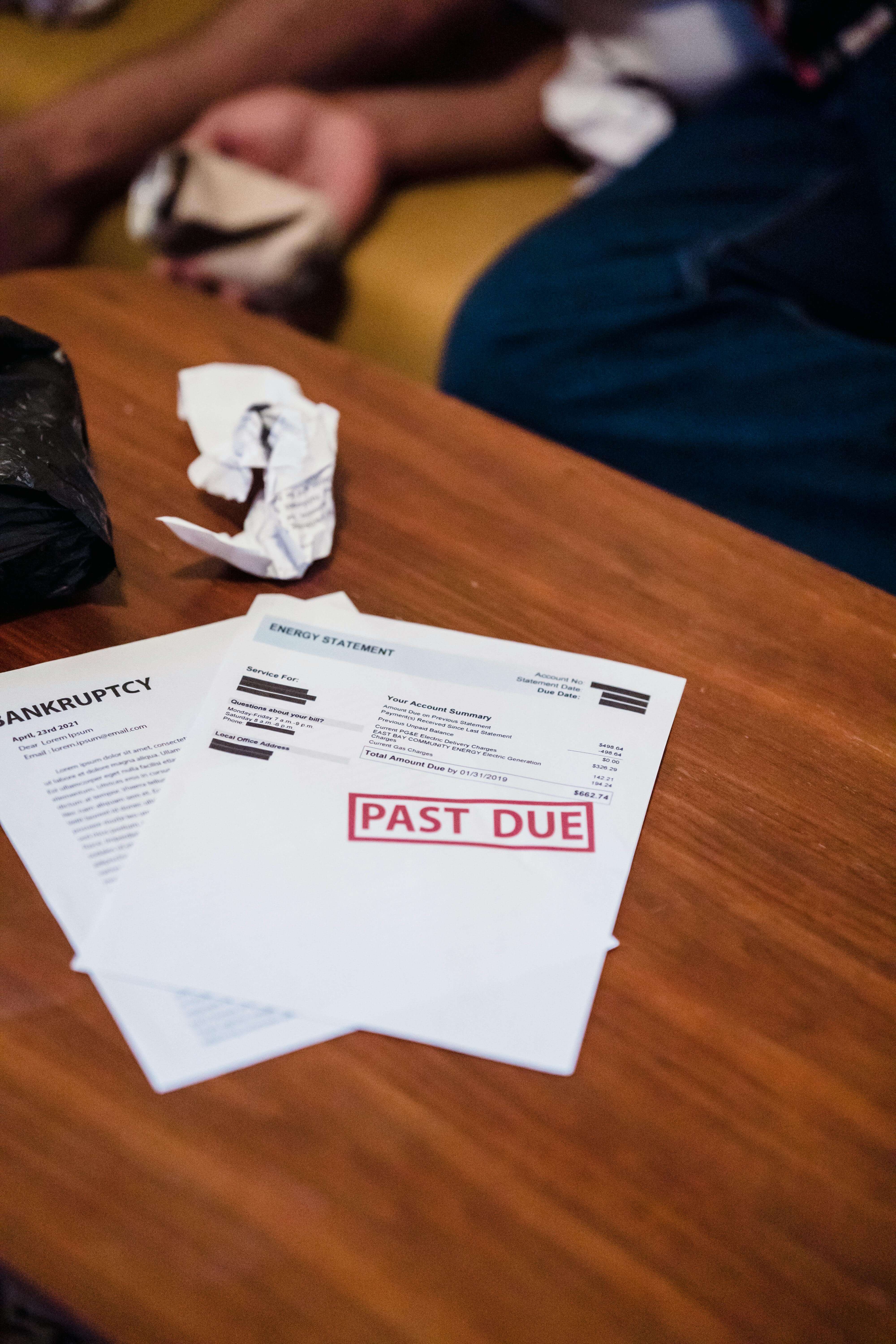
Bankruptcy is a formal insolvency process for individuals who can’t repay their personal debts. It’s designed to deal with overwhelming debt in a structured, regulated way and to give creditors a fair outcome based on what you can realistically afford.
If you’re a company director bankruptcy applies to you personally, not to your limited company. Limited companies enter liquidation or administration. Bankruptcy is for sole traders and individual debt that’s personal or related to their business.
When does bankruptcy happen?
Bankruptcy is commonly triggered in two situations:
- You apply for your own bankruptcy online
- A creditor applies to the court to make you bankrupt
You can apply yourself if you owe £5,000 or more and can’t pay your debts. There’s a nominal government fee to pay and, once the application is approved, a bankruptcy order is made.
A creditor can petition for your bankruptcy if you owe them at least £5,000 and have failed to deal with a statutory demand or court judgment.
Once the bankruptcy order is made, control of your financial affairs largely passes to the Official Receiver.
What happens when you’re made bankrupt?
Bankruptcy creates an immediate legal change in your position. The key effects are:
- Creditors must stop chasing you directly (most unsecured debts are included in the bankruptcy)
- Your assets may be sold to repay creditors
- You must cooperate with the Official Receiver
The role of the Official Receiver
The Official Receiver works for the Insolvency Service. They:
- Review your financial history
- Identify assets that can be sold
- Assess your income and outgoings
- Report on your conduct
If your case is more complex, a licensed insolvency practitioner may be appointed as trustee instead.
For most people, this is an administrative process. You’ll be asked to provide information about your debts, income, assets and recent transactions. If you’ve been open and cooperative, it tends to move forward without difficulty.
What debts are written off?
Bankruptcy usually covers unsecured debts such as:
- Credit cards
- Personal loans
- Overdrafts
- HMRC arrears
- Utility arrears
- Trade debts if you’re a sole trader
At the end of bankruptcy, most of these debts are written off. But some debts are not, including:
- Student loans
- Court fines
- Child maintenance
- Certain debts arising from fraud
What happens to your assets?
When you’re made bankrupt, your assets form part of the bankruptcy estate. This can include:
- Savings
- Investments
- Vehicles
- Valuable items
- Your share of property
If you own a home, your share of the equity may be realised for creditors. Each situation is reviewed individually, and there are rules about what’s reasonable and proportionate. For example, basic household goods and tools needed for work are usually excluded.
If you have surplus income after reasonable living costs, you may be asked to make monthly payments under an Income Payments Agreement for up to three years.
How long does bankruptcy last?
In most cases, you’re discharged from bankruptcy after 12 months. Discharge means you’re released from the debts included in the bankruptcy.
Restrictions apply during the bankruptcy period. For example:
- You can’t act as a company director
- You must disclose your bankruptcy if applying for credit over £500
- Certain professional roles may be affected
In serious cases involving misconduct, a Bankruptcy Restrictions Order can extend these restrictions for up to 15 years. That only applies where there’s evidence of wrongdoing.
Bankruptcy and company directors
If you’re a director of a limited company and are made bankrupt personally:
- You must resign as a director
- You can’t form or manage a limited company while bankrupt
Your company does not automatically enter liquidation because of your personal bankruptcy. However, if you’re the sole director and shareholder, it can create practical difficulties.
If your concern is company debt rather than personal debt, processes such as liquidation or administration may be more appropriate.
Read our article on how liquidation affects company directors.
Is bankruptcy the same as liquidation?
No. Bankruptcy applies to individuals. Liquidation applies to limited companies. For example:
- A sole trader with unmanageable personal debt may consider bankruptcy
- A limited company that can’t pay its debts may enter liquidation
Understanding liquidation vs bankruptcy is important for you to decide on the best route for your situation. If your debts sit inside a limited company, bankruptcy may not be the right one. This is a question our qualified insolvency practitioners can help with.
Are there alternatives to bankruptcy?
Depending on your position, alternatives can include:
- An IVA (Individual Voluntary Arrangement)
- A Debt Relief Order, if debts are low and assets limited
- Negotiated repayment plans
Each option has different consequences for assets, credit rating and restrictions. The right route depends on your income, assets and long-term plans.
Key takeaways
- Bankruptcy is a formal process for individuals who can’t repay personal debts
- It is handled by the Official Receiver through the Insolvency Service
- Most unsecured debts are written off after discharge
- Assets may be sold and surplus income may be claimed
- Bankruptcy usually lasts 12 months
- Company directors cannot act while bankrupt
- It is different from company liquidation
Get advice on bankruptcy and your wider position
If you’re under pressure from personal creditors or unsure whether your debts are personal or company liabilities, it’s important to get clear advice early.
A short conversation with a qualified insolvency practitioner can help you understand whether bankruptcy is appropriate, whether an alternative would protect more of your position and how this interacts with any company involvement you have.
Getting clarity now can help you make a calm, informed decision about what happens next.